Afro House: Understanding the Global Sound Reshaping Dance Floors
 Therapy SoundField notes
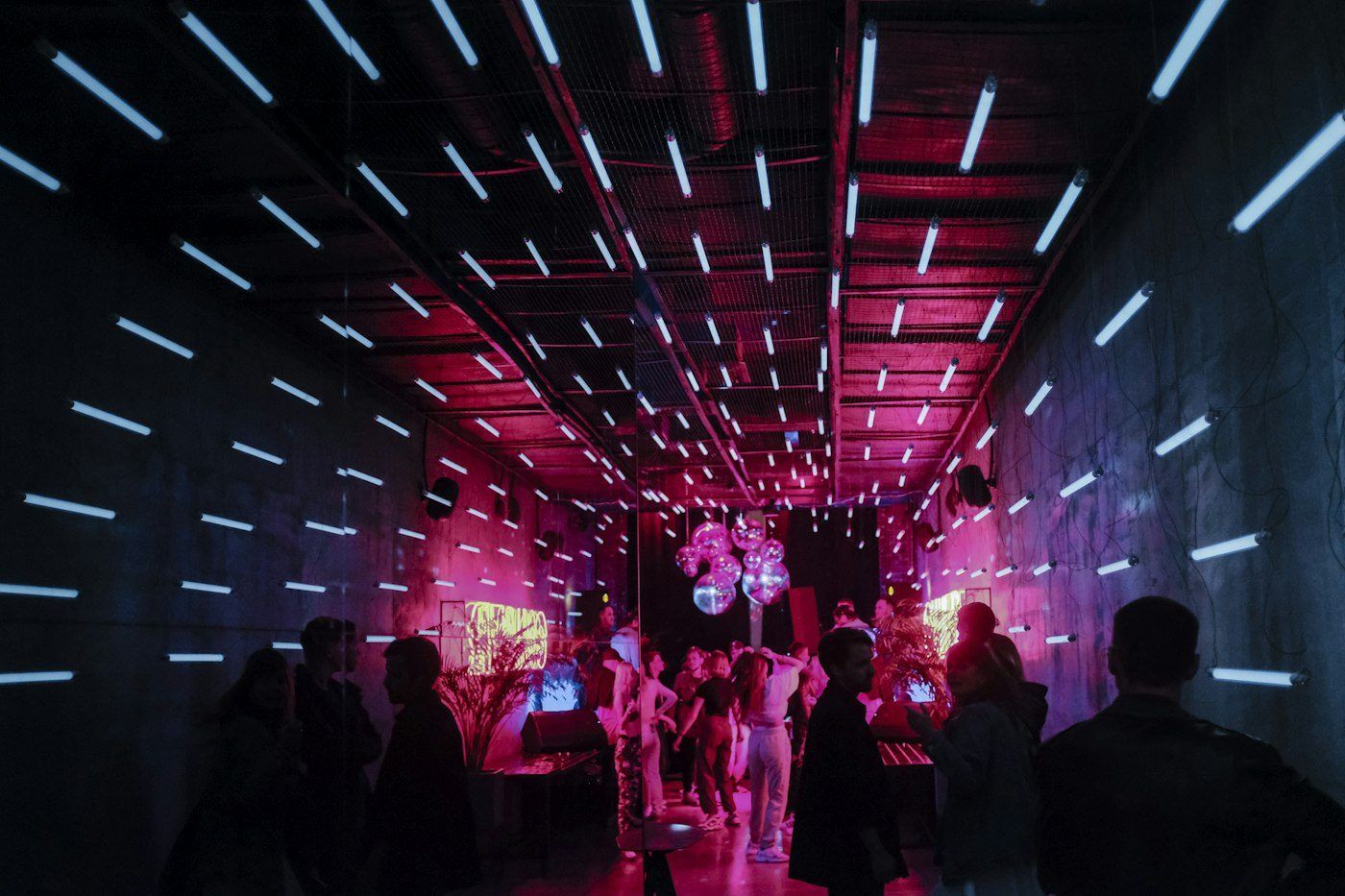
While house music was born in Chicago, its most vital contemporary evolution is happening thousands of kilometres away—in the townships of South Africa, the clubs of Lagos, and now on dance floors worldwide, including right here at Hello Goodbye every Thursday.
The quick version: Afro house blends traditional African rhythms, percussion, and vocal elements with the four-on-the-floor foundation of house music. Born primarily in South Africa in the late 1990s, it's now a global phenomenon that brings deeper cultural meaning, spiritual connection, and irresistible groove to contemporary dance floors. Understanding Afro house means appreciating both its technical elements and its cultural significance—something that makes the experience richer whether you're dancing to it or simply letting it move through you.
What Makes Afro House Distinctive
Afro house isn't just house music with African percussion layered on top. It's a fundamental reimagining of how rhythm, melody, and spiritual intention can work together on a dance floor.
- Polyrhythmic complexity. Where traditional house relies on straightforward kick patterns, Afro house weaves multiple percussion layers that create intricate, interlocking rhythms.
- Vocal storytelling. Vocals often carry cultural narratives, spiritual messages, or community calls-and-responses rather than simple hooks.
- Extended builds. Tracks frequently develop over 8-10 minutes, allowing space for ceremonial-style progression and collective energy building.
- Organic instrumentation. Live drums, traditional instruments like the djembe or kalimba, and field recordings create texture that feels rooted in place and culture.
The South African Roots
Understanding Afro house means understanding its birthplace. In post-apartheid South Africa, Black producers and DJs began fusing house music with local sounds—kwaito, traditional Zulu rhythms, and township jazz influences.
Pioneers like Black Coffee, Culoe De Song, and DJ Fresh didn't just create a new subgenre; they created a cultural movement that spoke to identity, healing, and celebration. The music became a way to reclaim space, both sonic and physical, in a country rebuilding itself.
This context matters when you're on the floor. Afro house carries the weight and joy of cultural resilience. It's party music, but it's also ceremonial music—designed to bring people together in ways that transcend simple entertainment.
Regional Variations and Global Spread
As Afro house has spread globally, different regions have developed their own interpretations while maintaining respect for the source.
- West African influence. Nigerian and Ghanaian producers incorporate Afrobeats elements and local percussion traditions.
- European interpretation. Labels like Keinemusik and artists like &ME have created more minimal, techno-influenced versions that maintain the spiritual core.
- North American adoption. From Detroit to Vancouver, the genre is finding new expression while honouring its origins.
- Latin fusion. South American producers are blending Afro house with cumbia and other regional rhythms.
How to Listen and Move
Afro house demands a different kind of attention than other house subgenres. The complexity rewards active listening, but the groove demands physical response.
The best Afro house sets feel like guided meditation and celebration happening simultaneously—your body moves while your mind travels.
On the floor, let yourself find the polyrhythms. Don't just follow the kick drum; listen for the talking drums, the shakers, the vocal calls. Your movement can be conversation with these layers rather than simple response to the beat.
The extended track lengths aren't accidents—they're invitations to go deeper, to let the music work on you rather than rushing to the next dopamine hit.
Key Artists and Labels to Know
Building your Afro house knowledge means understanding both the pioneers and the current innovators.
- Foundational artists. Black Coffee, Culoe De Song, Atjazz, and DJ Fresh established the template while maintaining deep cultural connections.
- Contemporary leaders. Keinemusik collective, Âme, Dixon, and Kollektiv Turmstrasse represent the European interpretation.
- Rising voices. Artists like Shimza, Da Capo, and Boddhi Satva are pushing boundaries while honouring traditions.
- Essential labels. Sondela Recordings, Get Physical, and Innervisions consistently release quality Afro house that respects the culture.
Cultural Appreciation vs. Appropriation
As Afro house gains global popularity, the question of cultural respect becomes crucial. This isn't just about musical technique—it's about understanding and honouring the cultural context that created this sound.
Appreciation means learning about the history, supporting African artists directly, and understanding that this music carries cultural weight beyond its danceability. It means recognizing that when you're moving to Afro house, you're participating in something larger than a party.
The Thursday floor at Hello Goodbye becomes a space where this cultural exchange can happen respectfully—where the music's origins are honoured while its global evolution is celebrated.
The Spiritual Dimension
Perhaps most importantly, Afro house maintains a spiritual connection that much electronic music has lost. The extended builds, the call-and-response vocals, the ceremonial progression—these aren't just production techniques, they're invitations to transcendence.
This spiritual element doesn't require any specific belief system. It's about the collective energy that builds when people move together to rhythms that have carried cultural meaning for generations. It's about the healing that happens when music connects you to something larger than yourself.
Therapy Sound · Vancouver events
House, techno and live shows across the city
Frequently asked questions
What's the difference between Afro house and Afrobeats?
Afro house is built on house music's four-on-the-floor foundation with African percussion and cultural elements, while Afrobeats is a distinct genre combining traditional African music with jazz, highlife, and funk. Afro house is designed for extended dance floor experiences; Afrobeats often features pop song structures.
How can I support African Afro house artists directly?
Purchase music through platforms like Bandcamp where artists receive higher percentages, follow and share African artists on social media, attend shows featuring African DJs, and support labels that prioritize fair compensation for African producers. Avoid bootlegs and unauthorized remixes of African artists' work.
Is Afro house appropriate for all dance floors?
Afro house works best in environments that allow for its extended builds and cultural depth. It thrives in intimate club settings, outdoor festivals, and spaces where DJs have time to properly develop the journey. Quick mix environments or mainstream commercial clubs may not provide the right context for the genre's full impact.
How do I learn to mix Afro house properly?
Focus on understanding the polyrhythmic structures rather than just beatmatching. Learn to identify the multiple percussion layers and use them as mix points. Practice extended blends that honour the tracks' ceremonial progression. Study sets by African DJs to understand cultural context and proper track selection flow.
Therapy Sound is Vancouver's home for house. The music, the floor, and the culture around it. Our Thursday residency at Hello Goodbye is the heart of it, not the whole story.