Dance Floor Etiquette: The Unwritten Rules That Keep the Magic Alive
 Therapy SoundField notes
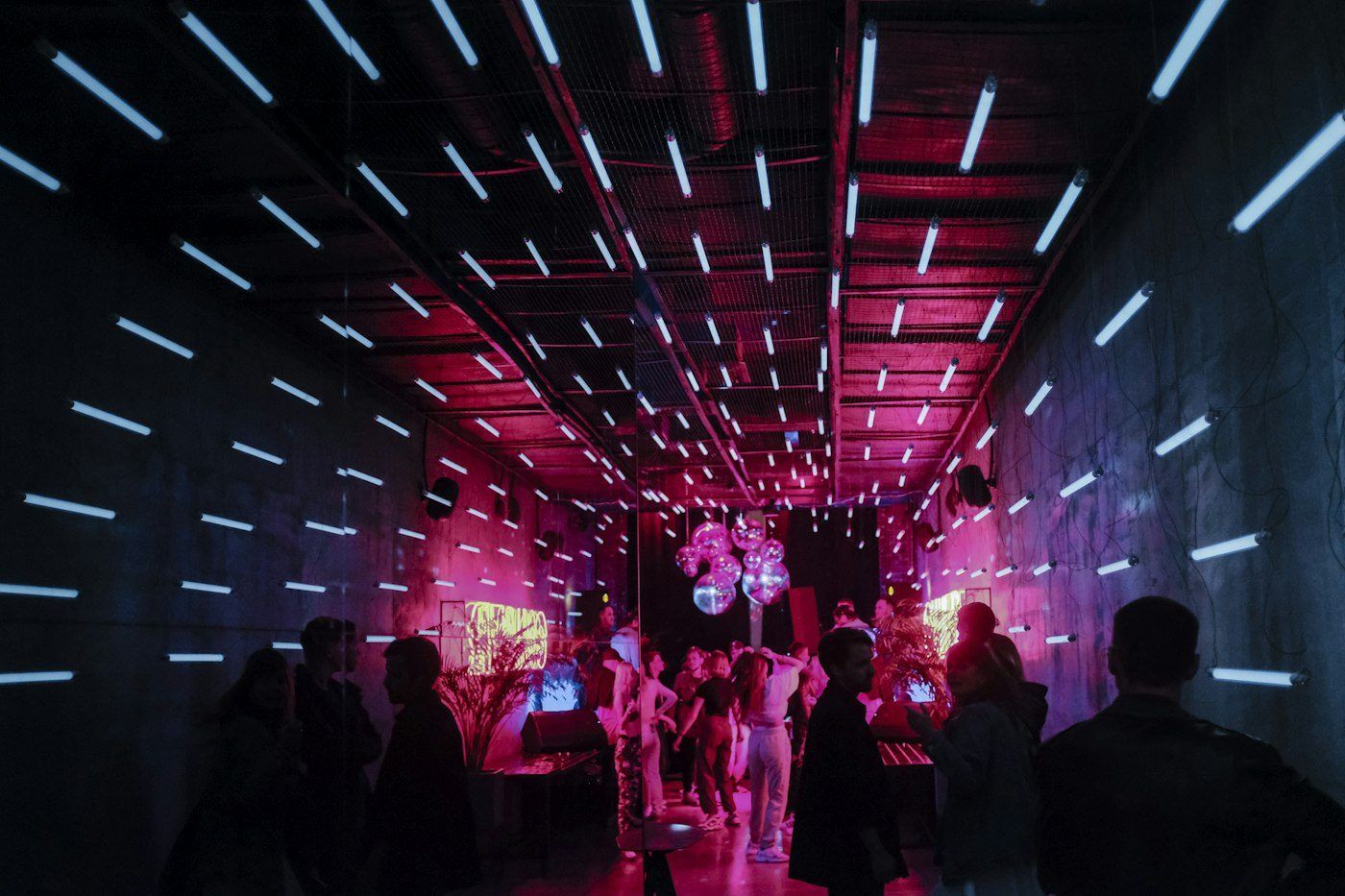
The dance floor isn’t just a space — it’s a living ecosystem where bodies, beats, and boundaries create something larger than the sum of its parts. Every gesture matters, every movement speaks, and the unwritten rules that govern this sacred space determine whether the night ascends or falls flat.
The quick version: Dance floor etiquette is about reading energy, respecting personal space, and contributing to the collective experience rather than taking from it. It’s less about rigid rules and more about developing the social awareness to move with intention, whether you’re claiming your spot, navigating crowds, or responding to the DJ’s journey. The goal isn’t perfection — it’s presence.Reading the Room Before You Move
Every floor has its own temperature, and walking into the middle of it without taking the pulse first is like jumping into a conversation mid-sentence. Spend your first few minutes observing: How dense is the crowd? Are people dancing in tight clusters or spread out? Is the energy building or settling? Are heads down in deep focus or eyes up in celebration?
- Energy mapping. Notice where the most engaged dancers are positioned — usually closer to the booth or speakers — and where people are more casual or social.
- Crowd density cues. If people are packed tight, smaller movements are the language. If there’s space, you can expand without encroaching.
- DJ relationship. Watch how the crowd is responding to track changes. Are they following the DJ’s lead or creating their own momentum?
The Geography of Personal Space
Your dance floor real estate isn’t just about the square footage under your feet — it’s about the invisible bubble that extends around your body as you move. This bubble contracts and expands based on the music, the crowd, and the moment, but it always exists.
- The arm’s length rule. If you can’t extend your arms without touching someone, you’re in their space unless the music demands closer communion.
- Direction awareness. Face the booth, face each other, face the void — but be conscious of where your energy is pointing and whether it’s welcome.
- Expansion ethics. When the track drops and you need more room, signal your intention with your eyes before you claim it.
Movement as Communication
Every gesture on the floor is a form of dialogue. Your dancing doesn’t exist in isolation — it’s part of a larger conversation between bodies, beats, and the shared experience of the room. The key is learning to speak this physical language fluently.
- Mirroring and matching. Subtle synchronisation with nearby dancers creates connection without intrusion.
- Energy contribution. Ask yourself: Am I adding to the collective vibe or drawing energy away from it?
- Transition courtesy. When moving through the crowd, make yourself small and acknowledge the dancers you’re passing.
The dance floor rewards those who contribute to its energy rather than consume it
Navigating the Crowd With Grace
Moving through a packed floor is an art form that requires patience, awareness, and a touch of strategic thinking. It’s not about getting where you want to go as quickly as possible — it’s about doing so without disrupting the flow around you.
- The path of least resistance. Follow the natural gaps and rhythms of the crowd rather than forcing your way through.
- Eye contact protocol. A quick look and nod can turn a potential collision into a smooth pass.
- Timing your moves. Use track transitions and breakdowns as opportunities to relocate when energy is naturally shifting.
Phone and Recording Etiquette
Your phone on the dance floor is like a bright light in a dark room — it changes the atmosphere for everyone around you. The goal isn’t to never document your night, but to do so without pulling others out of their experience.
- The ten-second rule. Capture your moment quickly and put the device away. The floor isn’t a photo studio.
- Screen brightness awareness. That glowing rectangle affects everyone’s peripheral vision and breaks immersion.
- Permission culture. If others might appear in your shot, a quick gesture or look can confirm consent.
Responding to Unwanted Attention
The dance floor should be a space where everyone feels safe to express themselves, but sometimes boundaries get crossed. Knowing how to handle these situations — whether you’re experiencing them or witnessing them — is essential to maintaining the floor’s integrity.
- Clear signals. Body language speaks louder than words in a loud room. Turn away, create distance, make your discomfort obvious.
- Bystander awareness. If you see someone looking uncomfortable, a simple presence nearby can help without escalating.
- Know your exits. Always be aware of how to get to security, the bar, or simply off the floor if needed.
Contributing to the Collective Experience
The best dance floors feel like organisms where individual expression serves the larger whole. This happens when dancers understand that their personal experience is enhanced by — not separate from — everyone else’s journey through the night.
- Energy generosity. Share the moments when the music moves you. Your genuine response gives others permission to let go.
- Space sharing. When someone new approaches your area, welcome them into the experience rather than defending territory.
- Momentum building. Recognize when the room is ready to ascend and help carry it there with your movement and presence.
Therapy Sound · Vancouver events
House, techno and live shows across the city
Frequently asked questions
What do I do if someone is dancing too close to me?
Start with subtle body language — turn slightly away, take a small step back, or create a physical barrier with your arms. If they don’t read these signals, make eye contact and gesture for more space. Most people will respect a clear but non-confrontational request.
Is it okay to dance alone on a crowded floor?
Absolutely. Solo dancing is a fundamental part of dance floor culture. The key is being aware of your space and energy. Dancing alone doesn’t mean dancing in isolation — you’re still part of the collective experience, just expressing it individually.
How do I know if I’m taking up too much space?
Watch for visual cues: Are people having to adjust their movement because of yours? Are you consistently the person with the most room around you? If the floor is packed and you’re still throwing big movements, it’s time to scale down and dance tighter.
What’s the protocol for approaching someone I want to dance with?
Start by dancing near them without invading their space. Make eye contact and see if they acknowledge you positively. If they seem open, you can gradually move closer or mirror their energy. If they turn away or close off their body language, respect that signal and give them space.
Therapy Sound is Vancouver’s home for house. The music, the floor, and the culture around it. Our Thursday residency at Hello Goodbye is the heart of it, not the whole story.