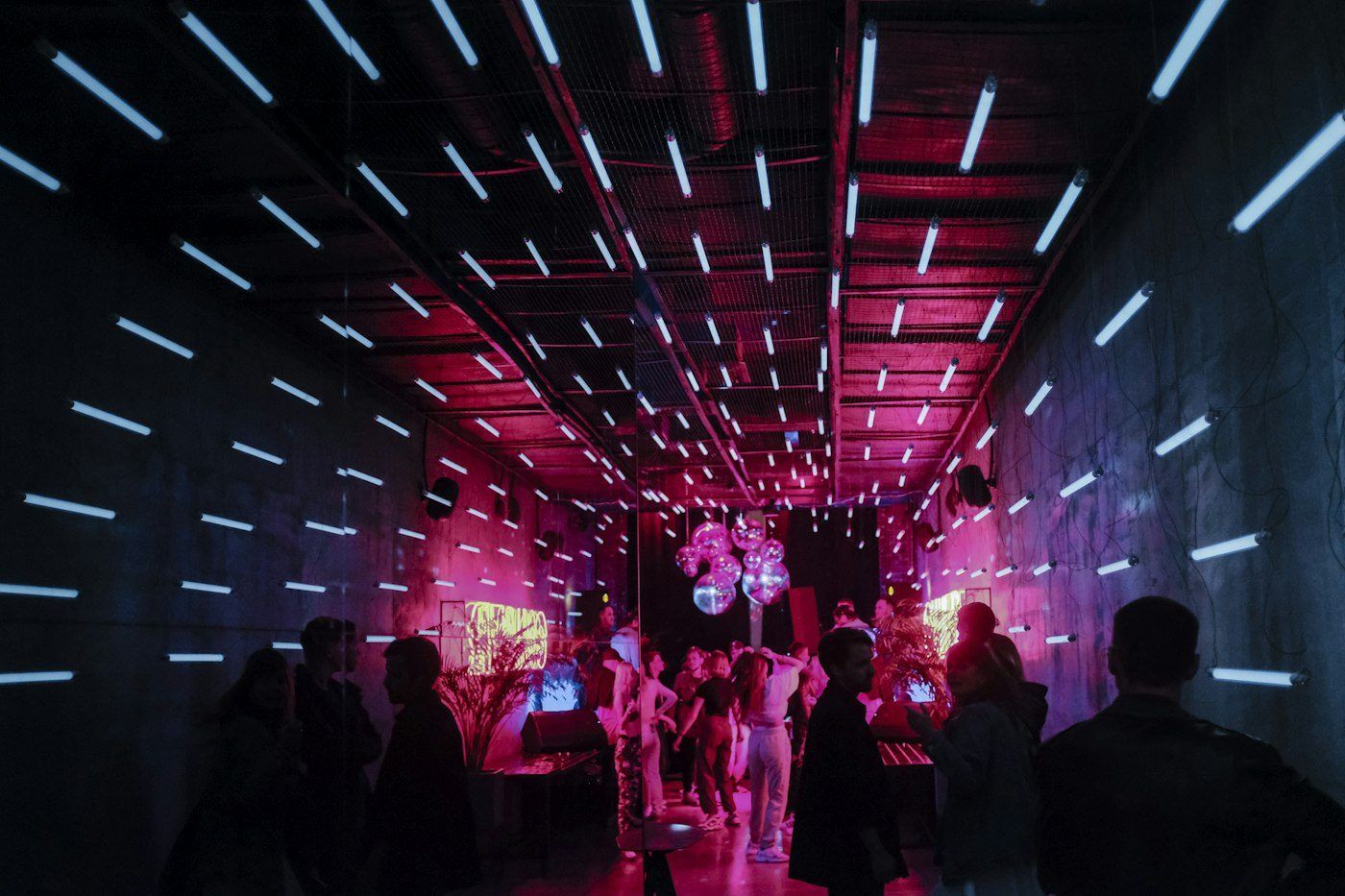
DJ Residencies: How Weekly Rituals Build Underground Scenes
 Therapy SoundField notes
A residency isn’t just a regular gig—it’s a promise. Every week, same time, same place, the DJ becomes a curator of moments, a keeper of the floor’s energy, and slowly, something deeper than entertainment begins to grow.
The quick version: DJ residencies are weekly or regular slots where the same artist plays the same venue consistently over months or years. Unlike one-off bookings, residencies let DJs develop their sound gradually, build genuine relationships with dancers, and create the kind of intimate musical conversations that can only happen through repetition and trust. They’re the backbone of underground scenes because they prioritise community over spectacle, consistency over hype, and musical journey over quick hits.
The residency model: consistency over chaos
Most people think about DJ bookings the wrong way. They imagine big names dropping in for massive one-night events, playing their greatest hits to crowds who’ve never heard them before and might never again. That’s entertainment, and there’s nothing wrong with it—but it’s not how scenes are built.
A residency flips this model entirely. Instead of the DJ being a visitor, they become a resident. Instead of playing to strangers, they develop relationships. Instead of delivering a pre-planned set, they respond to the room, the season, the collective mood of people who trust them enough to show up week after week.
- Predictability breeds freedom. When dancers know you’ll be there every Thursday, they can plan their week around it, arrive early, stay late, and invest emotionally in the journey.
- Risk becomes possible. With a guaranteed audience who trusts your taste, you can test new tracks, explore different tempos, and take the kind of musical risks that one-off gigs rarely allow.
- Stories develop over time. A residency lets you tell musical stories across weeks and months, building themes, returning to favourite tracks, and creating the kind of narrative arc that only repetition allows.
Building the weekly ritual
The magic of residencies isn’t just musical—it’s social and emotional. When the same group of people gathers regularly in the same space, with the same DJ guiding the energy, something almost ceremonial begins to happen. Thursday night becomes sacred time.
This is where underground culture really lives: not in the massive festivals or the headline-grabbing events, but in the quiet weekly gatherings where people can be themselves, where the music can breathe, where community actually forms. The dancers start recognising each other, the bartender knows your order, the DJ knows how to read the room because they’ve been reading this particular room for months.
A residency is less about the DJ’s ego and more about becoming a trusted guide for the floor’s collective journey.
The trust economy of the underground
Underground scenes run on trust, and residencies are trust-building machines. When you show up every week, you’re making a commitment that goes both ways. The venue trusts you to bring people and maintain quality. The dancers trust you to take them somewhere worth going. You trust them to follow you on musical journeys that might not make sense in the first ten minutes but reveal themselves over the course of a night.
This trust lets everyone relax in ways that one-off events rarely allow. The DJ can play the long game, building energy slowly, taking detours, creating space for reflection as well as release. The dancers can surrender to the journey because they know the DJ has earned their trust through consistency and care.
Musical development through repetition
For DJs, residencies offer something that guest slots can’t: the chance to develop their sound in real time, with immediate feedback from the same core audience. You learn not just what works, but why it works, when it works, and how to make it work better next time.
- Track testing becomes collaborative. You can introduce new music gradually, watching how the floor responds, adjusting your approach based on real feedback rather than guesswork.
- Technical skills improve faster. Playing the same sound system every week means you learn its quirks, its sweet spots, how to make it sing in ways that visiting DJs never can.
- Musical relationships deepen. You start understanding not just individual tracks, but how they speak to each other, how they fit into longer narratives, how they serve the collective journey of the night.
Why venues invest in residencies
From a business perspective, residencies might seem risky—why commit to one DJ when you could book different acts and appeal to different crowds? But smart venues understand that residencies create something more valuable than variety: they create loyalty.
Regular nights build regular audiences. People plan their social lives around them. They become part of the venue’s identity, not just its programming. A strong residency can carry a venue through slow periods, provide consistent revenue, and create the kind of word-of-mouth marketing that no advertising budget can buy.
More importantly, residencies help venues build their own identity within the scene. Instead of being just another room that books whoever’s available, they become known for a particular sound, a particular vibe, a particular approach to the night.
The ripple effect: how residencies shape scenes
Strong residencies don’t just serve themselves—they elevate entire scenes. They become gathering points for like-minded people, breeding grounds for new collaborations, and training grounds for emerging DJs who can learn by watching, dancing, and eventually getting the chance to warm up or fill in.
They also create stability in scenes that can otherwise feel chaotic and unpredictable. When you know there’s always good music on Thursday night, it gives you a foundation to build from. Other events can be more experimental, more risky, because there’s always that reliable weekly anchor to return to.
The commitment beyond the music
Running a successful residency requires more than just good track selection. It demands consistency in ways that go far beyond showing up and playing records. It means being present for the community that forms around the night, understanding your role as more than just entertainment, and accepting responsibility for the energy and culture you’re helping to create.
This is why the best residencies feel less like DJ gigs and more like community leadership. The DJ becomes a curator not just of music, but of experience, of space, of the subtle social dynamics that make a night feel special rather than just loud.
Therapy Sound · Vancouver events
House, techno and live shows across the city
Frequently asked questions
How long does a typical DJ residency last?
Residencies can run anywhere from a few months to several years, depending on the venue, the DJ, and how well the night develops its audience. The most successful residencies tend to run for at least a year, giving enough time for a real community to form around the weekly ritual.
Do resident DJs play the same music every week?
Not at all. The beauty of a residency is that it gives DJs the freedom to explore different sounds and take musical risks because they have a trusted audience. Residents often develop their sound more adventurously than guest DJs who might stick to safer, more familiar tracks.
Are residencies only for established DJs?
Many residencies actually start with emerging DJs who are given the chance to develop their skills and build an audience over time. Venues often prefer to grow with a DJ rather than book expensive established acts every week, making residencies a great opportunity for newer artists.
What makes a residency different from a regular weekly booking?
A true residency involves deeper commitment from both the DJ and venue. The DJ typically has more creative control over the musical direction and often helps shape the overall vibe and culture of the night, while the venue provides consistent support and promotion to help build the weekly community.
Therapy Sound is Vancouver’s home for house. The music, the floor, and the culture around it. Our Thursday residency at Hello Goodbye is the heart of it, not the whole story.