Do DJs Wear Earplugs? Hearing Protection for Clubs and Festivals
 Therapy SoundField notes
Look closely at almost any working DJ and you’ll spot it: a small earplug tucked in each ear, all night, every night. It isn’t a gimmick. They’ve learned the hard way what a few hundred nights in front of a sound system does to your ears, and they protect the one tool they can never replace. The good news for the rest of us is that protecting your hearing on a night out is cheap, easy, and doesn’t have to dull the music at all.
The quick version: clubs and shows regularly run loud enough to cause permanent hearing damage in well under an hour, the damage doesn’t heal, and the fix is a pair of proper high-fidelity earplugs for concerts and club nights that turn the whole room down evenly instead of muffling it. Here’s why it matters and how to do it right.
How loud is a club, really
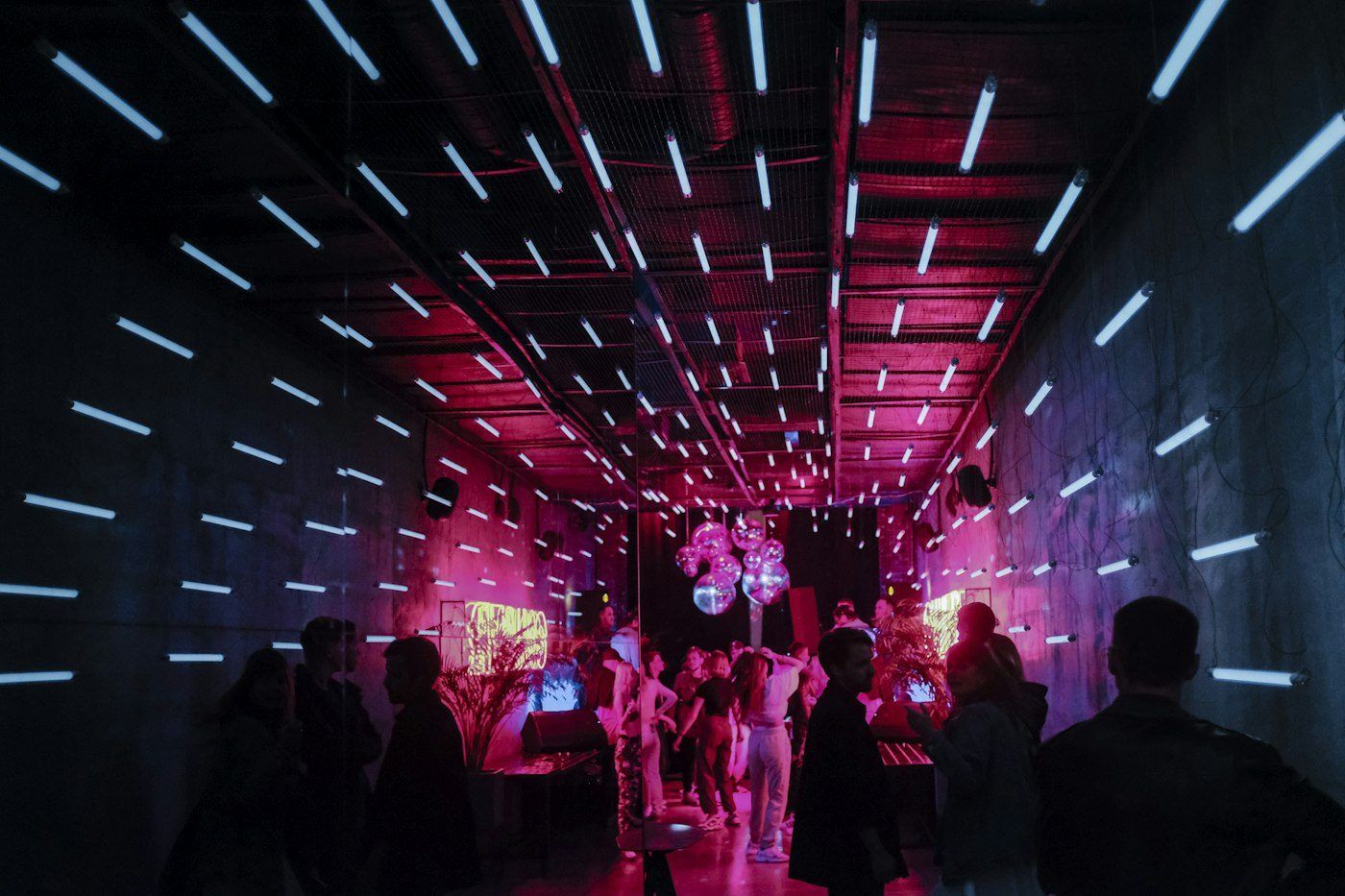
Loud enough to do real harm, faster than you’d think. Health agencies treat 85 decibels over an eight-hour day as the ceiling for safe exposure, and the scale is brutal: every few decibels louder roughly halves the safe time. The WHO estimates that attendees at concerts, nightclubs, and bars are regularly exposed to sound levels above 100 dB, and at 100 dB the safe window collapses to around 15 minutes before damage risk climbs. A night out is three, four, five hours at or above that level. The math doesn’t work in your ears’ favour.
A quick gauge without any equipment: if you have to shout to be heard by someone an arm’s length away, the room is already past 85 dB. Most good nights clear that bar within the first track.
Why it actually matters
Here’s the part people underestimate: hearing damage is permanent. The tiny sensory hair cells in your inner ear don’t grow back. Once they’re gone, they’re gone, and the result is noise-induced hearing loss, tinnitus (that ringing or buzzing), or both, for good. The WHO has flagged that more than a billion young people worldwide are at risk from recreational sound exposure, much of it from exactly the music we love.
You already know the early warning signs, because most people have felt them: the muffled, underwater hearing after a loud night, and the ringing that follows you home and into bed. That’s your ears telling you they took a hit. Sometimes they recover; with enough repeat exposure, they don’t. Persistent ringing or muffled hearing is worth taking to an audiologist rather than waiting out.
When the people whose entire job is listening to music all wear earplugs, that tells you everything about whether you should too.
Why DJs wear them
DJs are in the blast zone for hours, multiple nights a week, often standing right next to the monitors. For them, hearing isn’t just comfort, it’s the whole career, and many have watched older selectors develop serious tinnitus. So they protect early. When the people whose entire job is listening to music all wear earplugs, that tells you everything about whether you should too. You’re not being soft; you’re copying the professionals.
The myth that stops people: “earplugs ruin the sound”
This is the big one, and it’s only true of the wrong earplugs. Cheap foam plugs work by muffling everything, and they kill the high frequencies first, so the music turns into a dull, bass-heavy mush. No wonder people hate them.
High-fidelity earplugs (also called musician’s earplugs) solve this. They use a filter that lowers the volume fairly evenly across all frequencies, so the music stays clear and balanced, just quieter, like turning the whole room down a notch instead of putting a blanket over it. You still hear the track, the vocals, your friends. You just hear it at a level your ears can survive. Once people try a decent pair, the “earplugs ruin the night” myth dies instantly.
What to actually buy
Three tiers, depending on how often you go out:
- Foam plugs — pennies a pair, available anywhere, and far better than nothing in a pinch. They muffle the sound, but if it’s all you’ve got, use them.
- High-fidelity reusable earplugs — the sweet spot for most people. A filtered, even-attenuation pair (often around 20 dB of reduction) costs roughly the price of two drinks, lives on your keychain, and lasts for years. This is the upgrade worth making.
- Custom-moulded earplugs — moulded to your ears by an audiologist, the most comfortable and best-sounding option, at a higher price. Worth it if you’re out most weekends or you’re behind the decks yourself.
Using them well
- Put them in before it gets loud, not after your ears already hurt. The damage is cumulative from the first loud minute.
- Take ear breaks. Step out to a quieter area for a few minutes now and then. Even short rests help.
- Stand smart. Avoid parking directly in front of a speaker stack for hours; a few metres makes a real difference.
- Check the level. Free phone apps like the NIOSH Sound Level Meter give a rough read if you’re curious how loud your spot really is.
The reframe
Protecting your hearing isn’t about enjoying music less. It’s the opposite. The whole point is to still be hearing every detail of a great set decades from now, instead of straining through a permanent ringing. Earplugs let you stay on the floor longer tonight and keep loving this music for a lifetime. That’s not a compromise. That’s looking after the sense the entire thing depends on.
Therapy Sound · Vancouver events
House, techno and live shows across the city
Frequently asked questions
Do earplugs for concerts ruin the music?
Cheap foam ones can, because they muffle the high frequencies. High-fidelity (musician’s) earplugs use a filter that lowers the volume evenly across all frequencies, so the music stays clear and balanced, just at a safer level.
How loud is too loud?
Above about 85 decibels, hearing damage becomes a risk, and the louder it gets the faster that happens. Clubs and shows regularly exceed 100 dB, where the safe exposure window is only around 15 minutes. A simple test: if you must shout to be heard at arm’s length, it’s loud enough to warrant protection.
Is hearing damage from loud music permanent?
Yes. The sensory cells in the inner ear don’t regenerate, so noise-induced hearing loss and tinnitus are permanent. That’s why prevention is the only real fix. Persistent ringing or muffled hearing is worth seeing an audiologist about.
What earplugs do DJs use?
Most use high-fidelity reusable or custom-moulded earplugs that reduce volume while preserving sound quality, so they can still mix accurately while protecting their ears across long, loud sets.
This article is general information, not medical advice. If you’re experiencing persistent ringing, muffled hearing, or ear pain, see an audiologist or doctor.
Therapy Sound is Vancouver’s home for house. The music, the floor, and the culture around it. Our weekly sessions are the heart of it, not the whole story.
Sources & further reading: World Health Organization, “Deafness and hearing loss: Safe listening”; NIOSH / OSHA occupational noise exposure guidelines; Hearing Health Foundation, “What Are Safe Decibels?”