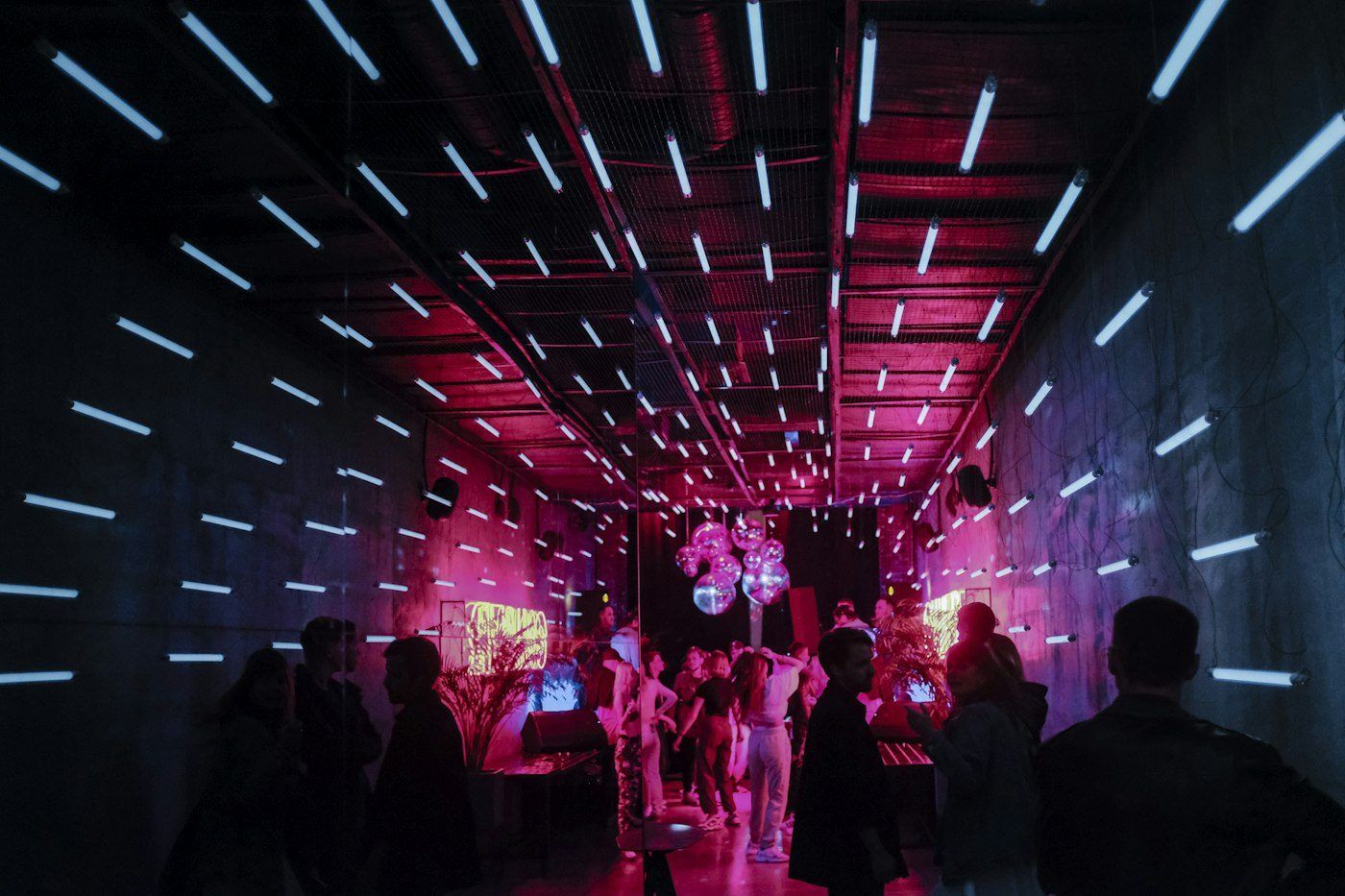
Sleep Before and After: How Rest Shapes Your Night on the Floor
 Therapy SoundField notes
Your circadian rhythm doesn't clock out when the music starts. The hours you sleep before hitting the floor and how you recover afterward aren't separate from your night—they're part of the same continuous cycle that determines whether you're truly present for those peak-time moments or just going through the motions.
The quick version: Strategic sleep before a night out primes your nervous system for deeper musical connection, while intentional recovery afterward helps integrate the experience and reset your rhythm. It's not about maximising party stamina—it's about creating space for the music to move through you, then allowing that movement to settle into something lasting.The pre-dance sleep window
The 48 hours before you step onto the floor matter more than the single night's sleep beforehand. Your body accumulates what sleep researchers call "sleep debt," and while you can't fully repay it with one good night, you can arrive at the club with a nervous system that's receptive rather than reactive.
- Two nights out: If you're planning a Thursday at Therapy Sound, Tuesday night's sleep sets the foundation. Aim for 7-8 hours to establish a rhythm.
- The day before: A 20-30 minute afternoon nap (no later than 3pm) can bridge any remaining deficit without disrupting your night sleep.
- Pre-party rest: Even 90 minutes of sleep before heading out allows for one complete sleep cycle, which can refresh your system more than staying awake and "pushing through."
Your body's natural party schedule
Between 10pm and 2am, your core body temperature naturally drops and melatonin production peaks—your system is literally designed to wind down during prime club hours. Understanding this isn't about fighting it; it's about working with these rhythms to find your flow.
Your alertness naturally dips around midnight, then resurges between 1-3am as cortisol begins its gentle climb. This is often when the dance floor energy shifts, when the music gets deeper, and when you might feel that second wind that carries you through to closing time.
The art of strategic caffeine timing
Caffeine has a half-life of 6 hours, meaning that afternoon coffee is still active in your system well past midnight. Rather than viewing this as a problem, you can use it as a tool.
- Last coffee by 2pm: If you want to sleep naturally after the club, cut off caffeine early in the day.
- Strategic late intake: A small amount of caffeine around 8-9pm can align with your natural alertness window without preventing post-club sleep.
- Skip the energy drinks: The sugar crash combined with caffeine jitters creates anxiety that works against the music's flow.
The dance floor teaches you to listen to your body's rhythms—sleep is where you practice that same attention in stillness.
Post-club wind-down rituals
The transition from peak-time energy to restorative sleep isn't instant, nor should it be. Your nervous system needs time to process the sensory intensity, the social connection, the physical exertion. Rushing this transition often leads to that wired-but-tired feeling that keeps you staring at the ceiling until noon.
- The 30-minute buffer: Give yourself half an hour to sit with the experience before attempting sleep. No screens, just gentle music or silence.
- Cool down your core: A lukewarm shower helps lower your body temperature, signalling to your system that it's time to rest.
- Write three words: Capture the essence of your night in just three words. This simple practice helps your mind file the experience rather than replay it endlessly.
Recovery sleep patterns
Post-club sleep is different from regular sleep. Your REM cycles may be altered, your sleep architecture shifted. Rather than fighting this, work with it. You're not trying to sleep like you didn't go out—you're sleeping like someone who danced until 3am and loved every minute of it.
Expect to sleep later and potentially longer. Your body is processing not just physical fatigue but emotional and sensory input. The music you heard, the connections you made, the way your body moved—all of this gets integrated during sleep.
The next-day rhythm reset
How you spend the day after matters for your overall sleep cycle. Light exposure, meal timing, and gentle movement all help reset your circadian rhythm without shocking your system back into a rigid schedule.
- Morning light (whenever your morning is): Get sunlight within the first hour of waking, even if that's 2pm.
- Gentle movement: A walk, some stretching, or light yoga helps your body process the previous night's activity.
- Hydration over stimulation: Water and electrolytes serve you better than caffeine for sustainable energy.
- Early dinner: Eating your main meal earlier helps your body prepare for an earlier sleep time.
Building sustainable rhythms
If you're a regular on the scene, your sleep strategy needs to account for weekly patterns, not just individual nights. Thursday at Therapy Sound becomes part of a larger rhythm that includes work, rest, and play.
Consider your week as a composition with different movements. Thursday night is an intense, beautiful section, but it exists within a larger structure. Your sleep patterns should support the whole piece, not just the climactic moments.
Therapy Sound · Vancouver events
House, techno and live shows across the city
Frequently asked questions
How much sleep do I need before a night out?
Aim for 7-8 hours the night before, but focus more on your overall sleep debt from the previous few days. One good night can't fully compensate for chronic sleep deprivation, but it can help your nervous system be more receptive to the music and social energy.
Should I nap before going to the club?
A 20-30 minute nap before 3pm can be beneficial, or a 90-minute sleep cycle closer to club time (around 7-8pm) if you're planning a very late night. Avoid 45-60 minute naps, which often leave you groggier than when you started.
Why can't I sleep after dancing, even when I'm exhausted?
Your nervous system is still processing the sensory intensity, social stimulation, and physical exertion. This is normal. Give yourself 30-60 minutes to wind down without screens or stimulation before attempting sleep.
How do I reset my sleep schedule after a late night?
Get light exposure within the first hour of waking (regardless of time), eat your main meal earlier in the day, stay hydrated, and avoid caffeine after 2pm. Allow 2-3 days for your rhythm to naturally adjust rather than forcing an immediate return to your regular schedule.
This article provides general information about sleep and nightlife, not medical advice. If you have ongoing sleep issues or health concerns, consult with a healthcare professional.
Therapy Sound is Vancouver's home for house. The music, the floor, and the culture around it. Our Thursday residency at Hello Goodbye is the heart of it, not the whole story.