Why House Music Samples Soul and Gospel: The Sacred Roots of Dance Floor Spirituality
 Therapy SoundField notes
When a gospel vocal lifts over a four-four kick, something alchemical happens. The church meets the club, the sacred touches the secular, and suddenly you’re not just dancing — you’re transcending. House music’s love affair with soul and gospel isn’t coincidence; it’s encoded in the genre’s DNA.
The quick version: House music samples soul and gospel because it was born from Black American culture where these genres provided both musical sophistication and spiritual expression. Early Chicago producers like Frankie Knuckles and Marshall Jefferson used gospel vocals and soul breaks because they understood how these sounds could transform a dance floor into a space of collective euphoria. Today’s house producers continue this tradition because gospel’s call-and-response structure, emotional intensity, and uplifting messages create the perfect foundation for dance music that moves both body and spirit.
The Chicago Connection: Where Church Met Club
House music was born in 1980s Chicago, in a community where Saturday night at the club and Sunday morning in church weren’t opposing forces — they were part of the same cultural continuum. Many early house pioneers grew up in Black churches, absorbing gospel’s rhythmic complexity and emotional directness.
- Frankie Knuckles famously played gospel edits at the Warehouse, understanding that spiritual vocals could elevate a crowd beyond mere dancing.
- Marshall Jefferson sampled gospel directly in tracks like “Move Your Body,” creating what many consider the first true house anthem.
- Cultural context: For marginalized communities, both church and club provided spaces of freedom, expression, and collective joy.
- Musical DNA: Gospel’s four-four time signature and call-and-response structure translated perfectly to dance music.
What Gospel Brings to the Mix
Gospel vocals don’t just sound good over house beats — they serve specific musical and emotional functions that other vocal styles can’t replicate. The genre’s emphasis on collective participation mirrors the communal nature of dance floors.
- Emotional intensity. Gospel singers perform with a rawness and conviction that cuts through club sound systems and straight to the heart.
- Call and response. This fundamental gospel structure becomes the perfect framework for building tension and release in dance tracks.
- Melodic sophistication. Gospel harmony and vocal runs add musical complexity that elevates simple house progressions.
- Universal themes. Messages of redemption, joy, and transcendence resonate across cultural boundaries on dance floors.
The best gospel samples don’t just add vocals to a track — they transform the entire energy of a room, creating moments where individual dancers become part of something larger.
Soul’s Rhythmic Foundation
While gospel provides the spiritual element, soul music contributes house’s rhythmic backbone. Classic soul records from the 1960s and 70s contain the breaks, basslines, and drum patterns that still drive today’s productions.
- The “Amen Break” influence. Soul and funk breaks provided the rhythmic templates that house producers chopped and looped.
- Bassline sophistication. Soul’s melodic bass playing added musical complexity to house’s repetitive structures.
- Groove and swing. Soul’s subtle rhythmic variations humanized house music’s mechanical precision.
- Instrumental hooks. Horn stabs, string sections, and guitar licks from soul records became house music’s melodic vocabulary.
How Sampling Creates New Meaning
When house producers sample gospel and soul, they’re not just borrowing sounds — they’re recontextualizing sacred music for secular spaces, creating new forms of collective spiritual experience.
- Transformation through repetition. Gospel phrases that might last seconds in their original context become hypnotic mantras when looped.
- Sacred in secular spaces. Church vocals in club settings create a unique form of spirituality that doesn’t require religious belief.
- Cultural bridge-building. Gospel samples introduce club audiences to Black musical traditions they might not otherwise encounter.
- Emotional amplification. The combination of sacred vocals and driving beats creates an emotional intensity greater than either element alone.
The Technical Art of Gospel Sampling
Not every gospel sample works in a house context. Successful producers understand how to select and manipulate these sacred sounds to serve the dance floor while respecting their origins.
- Vocal selection. The best samples capture moments of pure emotion — ad-libs, vocal runs, or passionate declarations.
- Key and tempo matching. Gospel samples must be pitched and time-stretched to fit house music’s tempo and harmonic context.
- Contextual sensitivity. Skilled producers understand which gospel elements enhance their tracks versus which might feel exploitative.
- Building around the sample. The best gospel-sampling house tracks are built to showcase the vocal, not bury it.
Modern Evolution: From Sampling to Collaboration
Today’s house music continues the gospel tradition but increasingly through collaboration rather than just sampling. Contemporary producers work directly with gospel singers, creating new sacred-secular hybrids.
- Original gospel recordings. Modern producers commission new gospel vocals specifically for house tracks.
- Live gospel elements. Some house shows now feature live gospel choirs, bringing the church directly to the club.
- Cross-pollination. Gospel artists increasingly embrace electronic production, creating new hybrid genres.
- Cultural dialogue. The best contemporary work honors gospel’s origins while creating something genuinely new.
Why This Matters on the Dance Floor
Understanding house music’s gospel and soul roots helps explain why certain tracks create those spine-tingling moments of collective euphoria. When you hear that perfect gospel vocal drop over a driving bassline, you’re experiencing decades of musical evolution.
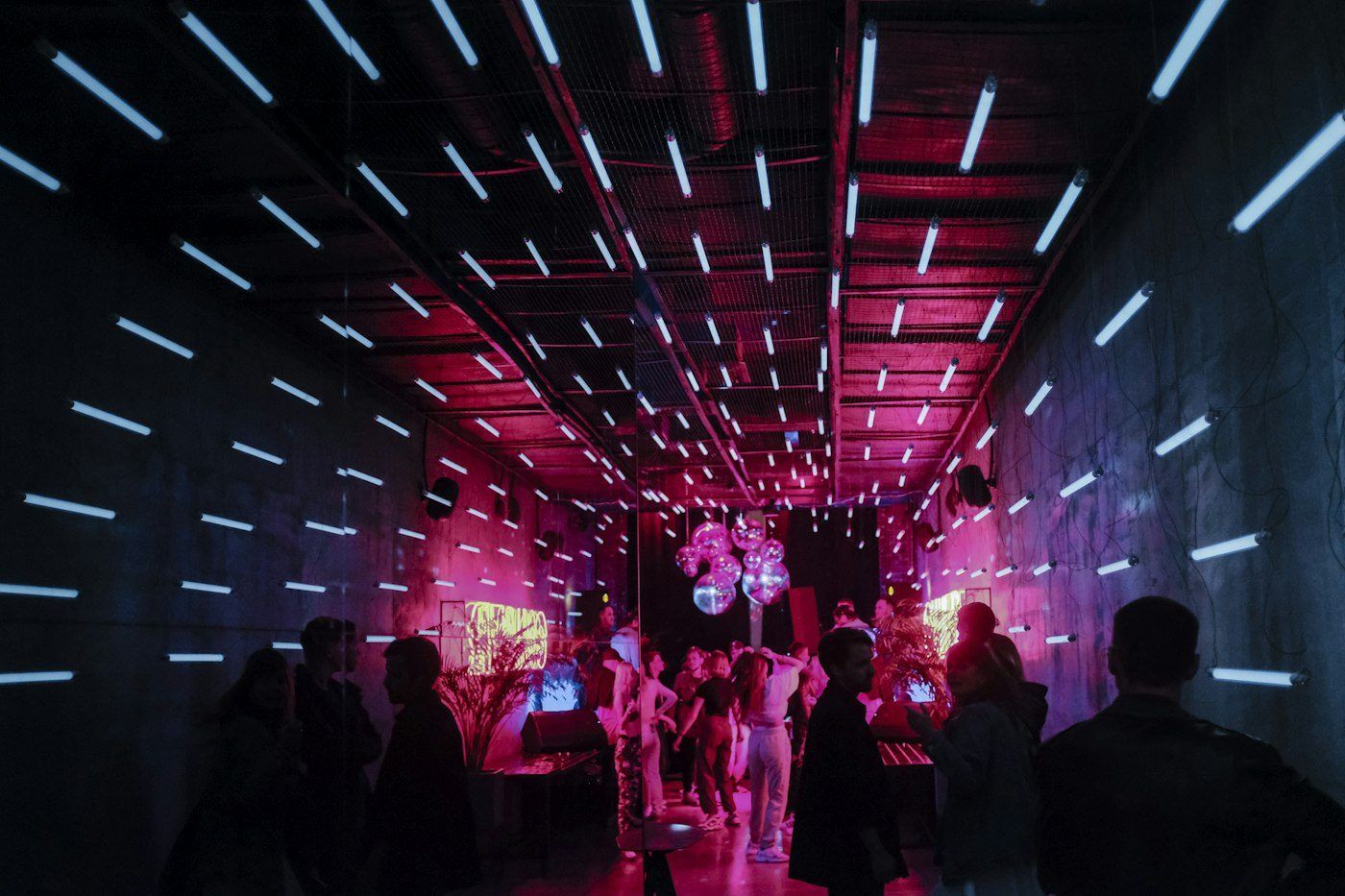
On Thursday nights at Hello Goodbye, when a track with those sacred samples fills the room, notice how the energy shifts. Bodies move differently. Faces change. The individual dissolves into the collective, and for a moment, the dance floor becomes a kind of secular church — exactly as house music’s pioneers intended.
Therapy Sound · Vancouver events
House, techno and live shows across the city
Frequently asked questions
Is sampling gospel music cultural appropriation?
It can be, but context matters enormously. House music emerged from Black communities where gospel and club culture coexisted, making early sampling part of natural cultural evolution. Problems arise when producers sample without understanding or crediting the source, or when the sampling feels exploitative rather than celebratory. The best approach involves understanding gospel’s cultural significance and ensuring original artists receive proper credit and compensation.
What are some classic house tracks that sample gospel?
Foundational tracks include Marshall Jefferson’s “Move Your Body” (which samples a gospel piano riff), Frankie Knuckles’ “Your Love” (featuring Jamie Principle’s gospel-influenced vocals), and Robert Owens’ work with Fingers Inc. More recent examples include Disclosure’s gospel-sampling tracks and the ongoing work of producers like Kerri Chandler who maintain deep connections to gospel traditions.
Why does gospel music work so well in club settings?
Gospel music is designed for collective participation and emotional release — the same goals as dance music. Gospel’s call-and-response structure translates perfectly to DJ-crowd interaction, while its themes of joy, transcendence, and community mirror what people seek on dance floors. Additionally, gospel’s rhythmic complexity and emotional intensity can elevate simple house progressions into transcendent experiences.
How do modern house producers find gospel samples?
Many dig through vintage gospel records from the 1960s-80s, looking for emotional vocal moments, instrumental breaks, or choir sections. Others work directly with gospel singers to create original recordings. Some use sample libraries, though the best results usually come from original research and direct collaboration. Successful sampling requires understanding both the musical and cultural context of the source material.
Therapy Sound is Vancouver’s home for house. The music, the floor, and the culture around it. Our Thursday residency at Hello Goodbye is the heart of it, not the whole story.